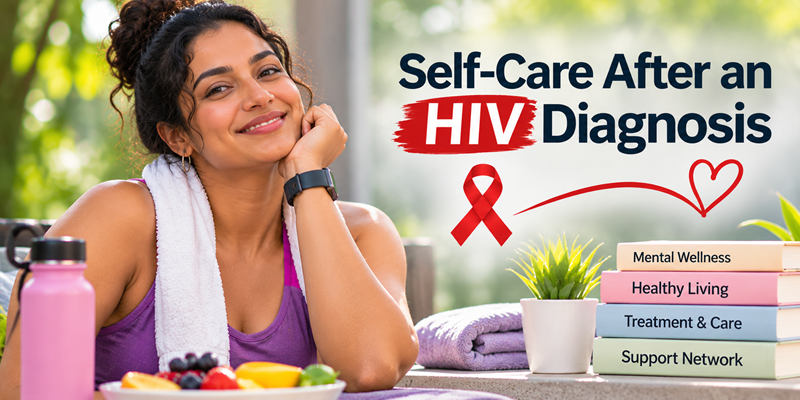
Receiving an HIV diagnosis can bring uncertainty, emotional stress, and many questions about the future. However, an HIV diagnosis does not mean that life has to stop. With modern medical treatment, healthy daily habits, and emotional support, people living with HIV can enjoy fulfilling relationships, pursue personal goals, and maintain a good quality of life. Practising self-care after an HIV Diagnosis is an important step toward building confidence, protecting overall health, and creating a positive future.
Self-care involves more than taking medication. It includes maintaining physical health, supporting mental well-being, developing healthy relationships, and making time for personal happiness. Although adjusting to a diagnosis takes time, small and consistent lifestyle changes can make a meaningful difference.
1. Prioritize HIV Treatment and Medical Care
Starting and maintaining appropriate medical treatment is one of the most important steps after an HIV diagnosis. Antiretroviral therapy (ART) helps control HIV, reduce viral load, and protect the immune system.
Follow Your Medication Schedule
Taking prescribed HIV medication consistently helps prevent the virus from multiplying. Create a daily routine using phone reminders, medication organizers, or regular schedules. Never stop or change your medication without consulting your healthcare provider.
Attend Regular Medical Checkups
Regular appointments help monitor viral load, CD4 cell counts, and treatment effectiveness. They also allow healthcare professionals to identify potential health concerns and recommend appropriate care. Following a consistent HIV Self-Care Routine can make managing your health easier.
2. Maintain a Healthy and Balanced Diet
Good nutrition supports energy levels, general health, and immune function. Although food cannot cure HIV, balanced meals can contribute to better overall well-being.
Choose Nutritious Foods
Include fruits, vegetables, whole grains, beans, lentils, nuts, and protein-rich foods in your daily meals. A balanced Nutrition for People Living With HIV plan should focus on variety rather than restrictive diets or unverified supplements.
Food safety is equally important. Wash fruits and vegetables properly, cook meat and eggs thoroughly, and store food safely. If you experience appetite changes, digestive problems, or unexplained weight loss, consult a healthcare professional.
3. Protect Your Mental and Emotional Health
An HIV diagnosis can bring anxiety, sadness, fear, or concerns about social stigma. These feelings are understandable, and everyone adjusts at their own pace.
Practice Self-Acceptance
Give yourself time to process your emotions. Avoid comparing your experience with others, and remember that HIV does not define your personality, abilities, or worth.
Consider Professional Support
Talking with a counselor or mental health professional can help you manage stress and develop healthy coping strategies. Prioritizing Mental Health Support for HIV is just as important as taking care of your physical health.
4. Stay Active and Develop Healthy Habits
Regular physical activity can support cardiovascular health, muscle strength, energy levels, and emotional well-being.
Walking, cycling, swimming, yoga, and light strength training are practical activities to include in your routine. Start at a comfortable level and choose exercises that suit your health and fitness needs.
Getting enough sleep is also essential. Maintain a regular bedtime, reduce screen time before sleeping, and create a comfortable sleeping environment. Healthy habits can gradually improve your daily routine and overall quality of life.
5. Build a Supportive Community
Having trusted people around you can make the adjustment after an HIV diagnosis easier. Friends, family members, healthcare professionals, and counselors can provide emotional encouragement.
Connect With HIV Support Groups
Joining HIV Support Communities can help you connect with people who understand similar experiences. Support groups may offer practical information, encouragement, and a safe space to discuss personal challenges.
Choose communities that respect confidentiality, avoid judgment, and share reliable health information. Remember that you have the right to decide when and with whom you share your HIV status, subject to applicable legal requirements.
6. Build Healthy Relationships and Confidence
An HIV diagnosis does not prevent anyone from experiencing love, friendship, intimacy, or meaningful relationships. Healthy relationships are built on honesty, respect, trust, and understanding.
Understand U=U
U=U stands for Undetectable = Untransmittable. People living with HIV who take treatment as prescribed and maintain an undetectable viral load do not transmit HIV through sexual contact.
Understanding Self-Acceptance After HIV Diagnosis and learning accurate information about HIV prevention can help reduce unnecessary fear and build confidence in personal relationships. Regular medical monitoring remains important, and other sexually transmitted infections still require appropriate prevention and screening.
7. Make Preventive Healthcare a Priority
Managing HIV also means looking after your overall health. Stay updated on recommended vaccinations, health screenings, and regular medical checkups. Ask your healthcare provider which preventive services are appropriate for your age and medical history.
Avoid smoking and discuss alcohol or substance use with your healthcare professional. These habits can affect general health, sleep, and medication routines.
Following Healthy Living With HIV practices helps support long-term wellness and encourages a more balanced lifestyle.
8. Set Goals and Celebrate Progress
Your personal dreams and ambitions do not disappear after an HIV diagnosis. Continue focusing on your education, career, hobbies, friendships, and relationships.
Start with small goals, such as following your medication schedule, preparing nutritious meals, exercising regularly, or attending medical appointments. Celebrate your achievements, even when they seem small.
Thriving After an HIV Diagnosis is about making positive choices, building confidence, and recognizing that your future still holds opportunities for happiness and personal growth.
Frequently Asked Questions (FAQs)
1. How can I take care of myself after an HIV diagnosis?
Follow your prescribed treatment, eat balanced meals, exercise regularly, get enough sleep, attend medical appointments, and look emotional support when needed.
2. Can people with HIV live long and healthy lives?
Yes. With consistent antiretroviral therapy and appropriate medical care, people living with HIV can live long, healthy, and fulfilling lives.
3. What foods are good for people living with HIV?
Fruits, vegetables, whole grains, legumes, nuts, and protein-rich foods support general health and provide essential nutrients.
4. Why is mental health important after an HIV diagnosis?
Mental health support helps individuals manage anxiety, emotional stress, and stigma while developing healthy coping strategies.
5. What does U=U mean?
U=U means Undetectable = Untransmittable. People who maintain an undetectable viral load through HIV treatment do not transmit HIV through sexual contact.
6. Can I have a healthy relationship after an HIV diagnosis?
Absolutely. People living with HIV can enjoy loving and fulfilling relationships. Understanding treatment, U=U, and open communication can help build trust and confidence.
Final Thoughts
An HIV diagnosis may change certain aspects of life, but it does not take away your opportunity to live a healthy and meaningful life. With effective treatment, emotional support, good nutrition, physical activity, and regular healthcare, People Living With HIV can take control of their well-being.
Remember that self-care is an ongoing journey. Take small steps, treat yourself with kindness, and surround yourself with people who respect and support you. Your HIV status is one part of your story, not your entire identity.