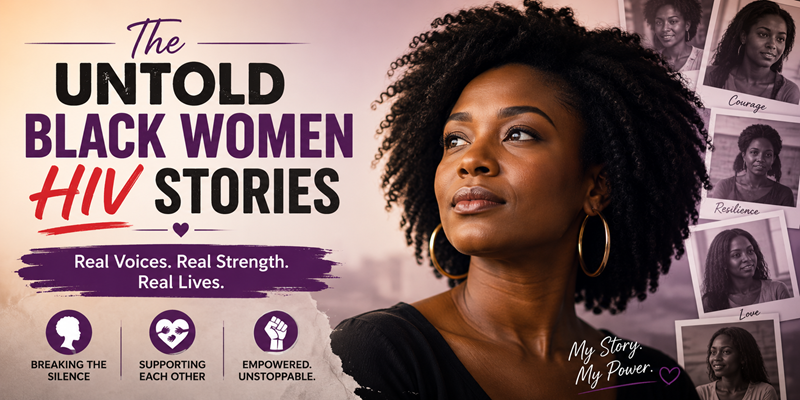
Every woman has a story that deserves to be heard. For many Black Women Living With HIV, their lives are often reduced to statistics or misconceptions, while their resilience, achievements, and personal journeys remain overlooked. Behind every diagnosis is a woman balancing family, career, friendships, health, and dreams for the future.
Medical advancements have transformed HIV into a manageable long-term condition for many people who receive appropriate care. Across communities, Black women continue to lead businesses, raise families, complete higher education, advocate for others, and build meaningful relationships. Their experiences demonstrate that HIV does not define identity, capability, or the possibility of living a fulfilling life.
A Diagnosis Is Only One Chapter
Every HIV journey begins differently. Some women learn their status during routine health screenings, prenatal care, or regular medical checkups, while others receive a diagnosis after experiencing symptoms or following a partner’s diagnosis.
The first days often bring uncertainty, fear, and countless questions. Thoughts about health, relationships, work, and family naturally arise. With guidance from healthcare professionals, consistent treatment, and emotional support, many women gradually regain confidence and begin planning for the future again.
An HIV diagnosis marks the beginning of a new chapter—not the end of life’s possibilities.
Beyond the Headlines
Media coverage often focuses on numbers rather than people. While statistics help explain public health trends, they rarely reflect the determination, compassion, and accomplishments of women living with HIV.
Many women continue to excel as teachers, nurses, entrepreneurs, artists, scientists, caregivers, and community leaders. They mentor younger generations, support loved ones, and contribute to their neighborhoods every day.
These personal stories remind us that HIV is just one part of a person’s life—not the whole story.
Breaking the Cycle of Stigma
Although awareness has improved, stigma continues to affect many women living with HIV.
Some worry about how others might react if they share their diagnosis. Others face misconceptions that are based on outdated information rather than current medical knowledge.
Open conversations help replace fear with understanding. Community education encourages compassion while creating environments where people feel comfortable accessing healthcare and emotional support.
Each honest conversation helps dismantle harmful stereotypes.
Living Healthy With Modern Treatment
Today’s HIV treatment has changed millions of lives worldwide.
With consistent medical care and prescribed antiretroviral therapy (ART), many women maintain strong immune systems and enjoy long, healthy lives.
Healthy habits also support overall wellness, including:
- Regular medical appointments
- Balanced nutrition
- Physical activity
- Quality sleep
- Mental health care
- Stress management
By combining treatment with healthy lifestyle choices, many women continue pursuing personal and professional goals with confidence.
Family Life and Parenthood
One of the most common misconceptions is that women living with HIV cannot build families.
Modern medical care has made it possible for many Women Living With HIV to have healthy pregnancies while greatly reducing the risk of HIV transmission to their babies through appropriate treatment and medical guidance.
Many mothers describe their children as a powerful source of motivation, encouraging them to prioritize their health and embrace life with optimism.
Relationships Built on Trust
Dating after an HIV diagnosis may initially feel intimidating, especially when thinking about disclosure and acceptance.
However, countless women have found caring, understanding partners who value honesty, communication, and mutual respect.
Healthy relationships are built on emotional connection rather than fear. As public awareness continues to improve, many people better understand HIV and appreciate the importance of empathy instead of judgment.
Trust remains the strongest foundation for lasting relationships.
Mental Wellness Deserves Equal Attention
Physical health is only one part of living well with HIV.
Emotional well-being also plays an essential role. Many women benefit from counseling, therapy, peer support groups, mindfulness practices, creative hobbies, and regular exercise.
Connecting with others who share similar experiences often provides reassurance, encouragement, and practical advice during challenging moments.
Strong mental health supports overall quality of life.
Community Creates Strength
Supportive communities remind women that they are never alone.
Local organizations, advocacy groups, healthcare providers, and online communities offer valuable resources ranging from educational materials to emotional encouragement.
Women often describe these communities as places where they feel understood without judgment, allowing them to build lasting friendships and confidence.
Together, communities help replace isolation with belonging.
Career Success and Personal Achievement
HIV does not limit ambition.
Across industries, Black women living with HIV continue building successful careers, launching businesses, earning degrees, leading nonprofit organizations, and inspiring future generations.
Many also become advocates who educate others about HIV awareness while encouraging kindness and inclusion.
Their accomplishments demonstrate that determination is stronger than stigma.
Why Representation Matters
When women share their experiences, they challenge stereotypes that have existed for decades.
Their stories help newly diagnosed individuals realize they are not alone while educating families, healthcare professionals, employers, and communities.
Representation also encourages younger generations to approach HIV conversations with compassion, knowledge, and respect.
Every story shared creates opportunities for greater understanding.
Community Resources
Trusted organizations such as the CDC, HIV.gov, local health departments, community health centers, and nonprofit HIV organizations provide reliable education, treatment information, and support services.
Healthcare providers, counselors, and peer support programs can also help women make informed decisions about their physical and emotional well-being.
Frequently Asked Questions
Can Black women living with HIV live long lives?
Yes. With consistent medical care and treatment, many women living with HIV enjoy long, active, and healthy lives.
Can women living with HIV have healthy children?
Yes. Following medical guidance during pregnancy significantly reduces the risk of HIV transmission to the baby.
Is it possible to have a healthy relationship after an HIV diagnosis?
Absolutely. Many women living with HIV build strong, supportive relationships based on honesty, communication, and mutual respect.
Why is HIV education important?
Education reduces stigma, encourages testing, promotes treatment, and helps communities better understand HIV.
Community Voices
“I thought my diagnosis would define my future, but it became the beginning of a stronger version of myself. Today, I enjoy my career, family, and friendships.” — Community Member
“Meeting other women living with HIV gave me confidence. Their encouragement reminded me that hope is always possible.” — Support Group Participant
“The support I received helped me focus on my health and my goals instead of fear. Life continues to be full of opportunities.” — Community Advocate
Final Thoughts
The stories of Black Women Living With HIV are stories of courage, resilience, leadership, and hope. Every journey is unique, yet they all demonstrate that HIV does not determine someone’s value or potential.
By sharing experiences, promoting accurate information, supporting one another, and treating every individual with dignity, communities can continue breaking down stigma and creating a future where everyone has the opportunity to thrive.